
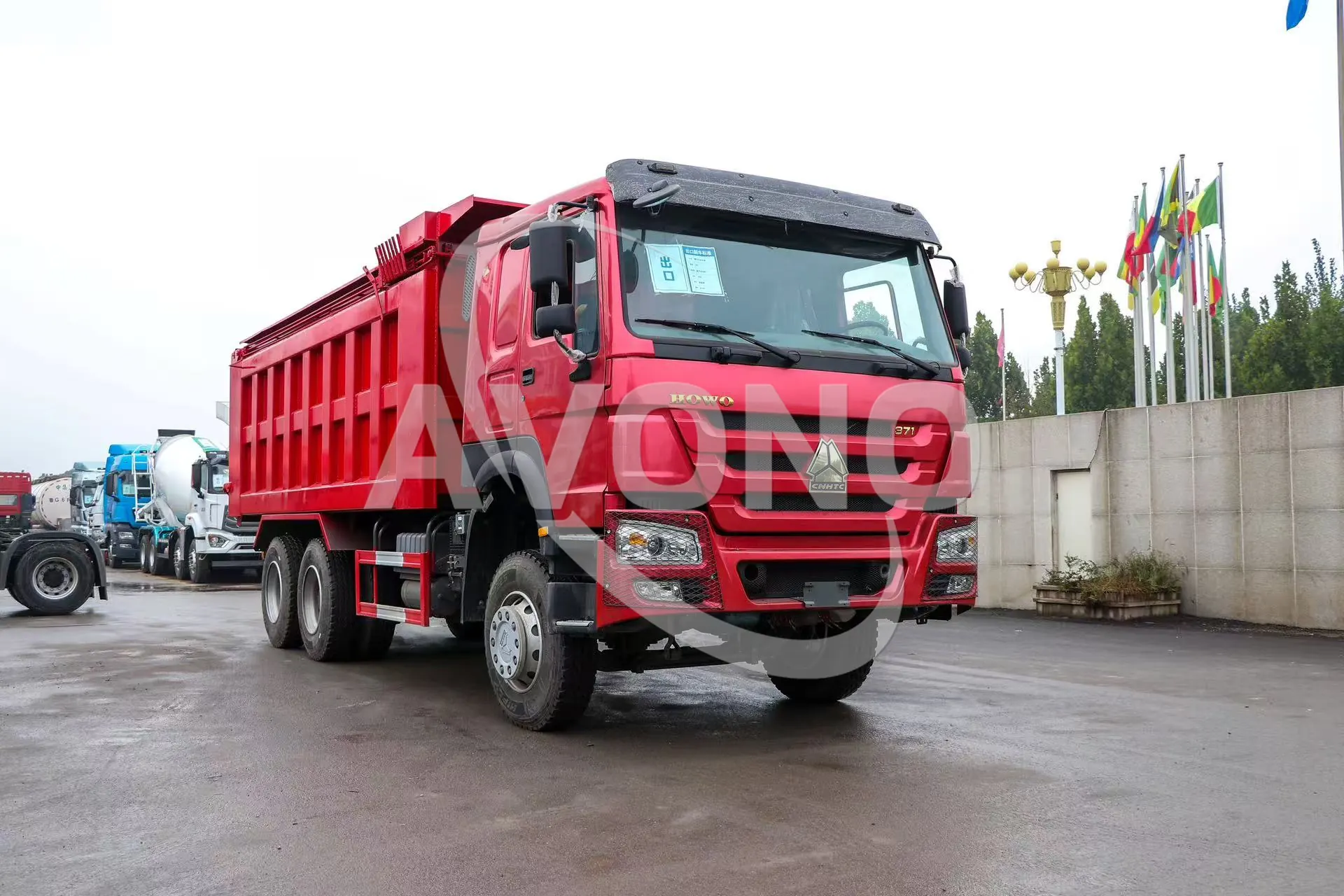
A new 6x4 tipper in the 25-tonne class costs roughly double what a properly refurbished unit does. That gap is the whole reason the refurbished export market exists. But the cheaper sticker is only worth taking if the truck does the same work — so the real question is where the money is saved, and what you give up.
Where the saving actually comes from
A refurbished truck starts with a used chassis and cabin. Those two items are the expensive, slow-depreciating parts of a truck, and they are exactly the parts that do not need replacing if the structure is sound. What gets replaced is everything that wears:
- Consumables and fluids — engine oil, gear oil, coolant, filters, brake pads, seals.
- wear components — tires, clutch kit, wheel-hub seals, stabilizer bushes, shock absorbers.
- The parts your job destroys — the dump box, which is why a refurbished truck often ships with a brand-new body while a new truck's box is merely standard.
- Cosmetics — sandblasting, repainting and new interior trim, which cost little but change how the truck is treated by drivers and how it looks to clients.
The result is a truck whose wearing parts are new, at a price that reflects the used chassis underneath it.
Side-by-side comparison
| Factor | Refurbished 6x4 | New 6x4 |
|---|---|---|
| Purchase price | Substantially lower | Highest |
| Lead time | Short — stock is already in the yard | Longer — factory build slot plus shipping |
| Warranty | Shop warranty on refurbished items | Full manufacturer warranty |
| Emission standard | Usually Euro II — simple, robust, cheap to fix | Euro V / VI available |
| Parts availability | Excellent for HOWO / SINOTRUK globally | Dealer network dependent |
| Depreciation in year 1 | Already absorbed by the first owner | Significant |
| Best for | Cost-sensitive fleets, rough sites, fast expansion | Strict-emission markets, financed fleets, warranty-driven procurement |
When a refurbished truck is the better buy
- You are adding capacity fast. Two refurbished trucks usually beat one new truck for the same budget, which matters when the contract is measured in tonnes per day.
- The work is hard on trucks. Quarries, mines and remote road projects damage bodies and running gear regardless of age. Paying a premium for "new" buys you little extra life.
- Your mechanics know mechanical engines. A Euro II WD615 with an oil-bath air filter is field-repairable with basic tools; a modern common-rail engine needs diagnostics equipment.
- Local emission rules allow it. Always confirm the import age and emission limit first — this single check decides everything.
When buying new still makes sense
- Your market requires Euro V / VI or has a tight vehicle age limit.
- The fleet is financed or leased, and the lender requires new assets.
- You operate in a market where downtime cost per hour is extreme and a manufacturer warranty is contractually required.
The important condition
"Refurbished" covers a very wide range. A truck that was pressure-washed and painted is not the same product as one that was sandblasted to bare metal, had its powertrain remanufactured, and was leak-tested before shipping. Always ask for the itemised refurbishment list and compare it line by line — that document, not the word "refurbished", is what you are actually buying.
See what our two refurbishment levels include
Compare the Basic and Premium refurbishment lists for the HOWO-7 6x4 dump truck — item by item, no vague wording.
Compare Basic vs Premium